Software translation

Make your software available to the world

Your interface, help center, store listing, and release notes all reach users in the same language at the same time.

Software linguists and an audit trail with every project ISO 17100:2015 ISO 9001:2015 ISO 18587:2017
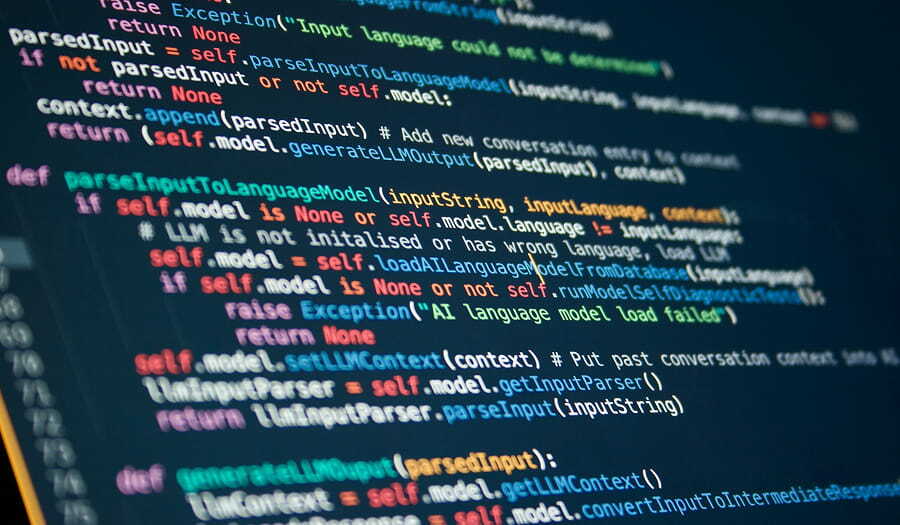
Developer reviewing code on a curved monitor

Shipping in another language should not mean delaying your release cycle. Text pulled out of context, files that arrive after the freeze, and builds that break on a long translation are what turn a language into a separate project.

UI Strings Help Documents App Store Listings In-App Content Release Notes

Translation on your release schedule

Your users learn your product from the words in your software build. Your team wrote every screen, message, and help topic to make something clear. The translated version has to be just as clear to a reader in another language.

Argo Translation works inside your release process rather than around it. Software linguists translate the files you send, work inside the platform your team uses, or connect to your systems when you want the handoff automated. We store and reuse the wording you approve, so each release costs less than the last.

Argo Translation Strings

Translation your systems can request on their own

Some teams would rather not handle files manually. Argo Translation Strings is an API your own systems call: send up to 50,000 strings in a batch, a certified linguist signs off on each translation, and a webhook tells your team when the batch is ready to pull.

  • Up to 50,000 strings per batch, on the cadence you set
  • Repeated wording is credited back automatically
  • Most teams can connect to our system in a day or two of developer time
  • Monthly billing to reduce paperwork
Learn more
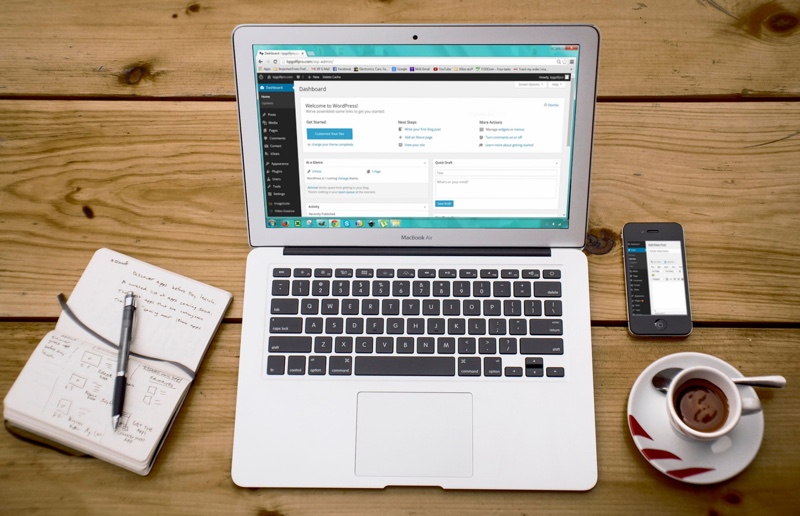
Developer coding at a multi-monitor workstation

Not sure where to start?

Pick the option below that best describes you. If you're not sure, answer the three yes-or-no questions and we'll match you to one of the options below.

Help me scope it

[Scoping question that points to Category A?]

[Category A]

[Category A pathway]

[What this pathway covers and who it's for.]

Documents

  • [Document type]
Request a Quote

How it works

Three steps to software your users read in their own language

Step 1

Everything for one release

Send whatever needs translating, the locales you support, and the date the release goes out.

Step 2

Translated in your format

Software linguists translate the text and keep your formatting, placeholders, and encoding intact.

Step 3

The release date is met

Files come back in the format you sent, so every language is ready before the release ships.

Testimonials

What our customers are saying
“Great communication and project management; the process is clear and easy to accomplish translations of many kinds. The portal is nice as well to see payment and invoice history.”

Marketing Content Coordinator Service Express
“When I send a request for a proposal, I get a response right away. Any issues with a project, for example internal reviewers requesting updates to translated strings, are handled with professionalism and care. Projects always end on time, and with no surprises.”

Senior Technical Writer QSC
“They are always willing to jump in and test things with us, whether they bring in a WPML consultant or do trial and error themselves.”

Marketing Operations Specialist Henny Penny
Two travelers checking a smartphone at an airport departures board

KDS case study

How KDS made Neo readable in nine languages

KDS, now part of American Express Global Business Travel, translated the in-app content of its Neo travel and expense application through Argo Translation, working inside the web-based translation tool its team already knew. Action buttons, tooltips, and warning messages were translated into nine languages, and users found travel and expense information in their own language.

Read the Case Study

Two paths

Software with and without a translation partner

Without a partner

The build pipeline translates the file and nobody reads the result.

A sentence assembled in code cannot come back right in every language.

A translated button label overflows and the screen breaks in QA.

You pay again for the wording that did not change since last time.

One language finishes late and the whole version slips a sprint.

With a partner

Software linguists write the text, and an editor reads it before release.

Strings go out with the screen they appear on and the context they need.

Text is written within the space each screen allows.

Only what changed is quoted, and the previously approved wording is reused.

Every language lands in the same batch, on the cadence you set.

Frequently asked questions

Everything you need to know about software translation

What does software translation include?
Software translation covers everything a user reads: the interface, the messages your product shows, the help center and documentation, the store listing, and the release notes. Marketing content and product video usually follow. Most of it changes every time you ship, so the work runs on your release cycle rather than as a one-off project. Argo Translation fits the process you already have, whether that means sending files, working inside your own system, or connecting to it directly.
Does our software legally have to be translated?
In most markets, no. Quebec is the exception: its language charter requires computer software, including game software and operating systems, to be available in French unless no French version exists. The rule goes further than most people expect, because the French version has to be available on terms no less favorable and has to have technical characteristics at least equivalent. A French build that lags the English one or ships fewer features does not satisfy it, even if every word was translated.
What does software translation cost?
Cost depends on the amount of text, the number of languages, and the service level you pick. Human translation costs the most and suits anything a customer reads: a linguist translates it and, at the level you choose, a second linguist reviews the work. AI translation with a linguist's review costs less and fits high-volume material such as a large documentation back catalog. Argo Translation is certified to ISO 17100:2015, the international standard for translation services. Costs fall over time, because we store the wording you approve and reuse it.
How long does software translation take?
Turnaround depends on the volume and the number of languages, and we agree the date before work starts. Give us the date your release goes out and we work back from it, so every language is finished before the build is final. Rush work is normal on a release cycle, and we price it openly when it comes up.
Do we pay again for text that hasn't changed?
No. Every translation you approve goes into a translation memory, which is a database of wording you have already signed off, and each new batch is checked against it before anyone starts work. Repeated wording is credited back automatically. You can see whether it is working on your third invoice: if the repeated-wording credit has not grown between your first release and your third, we are not reusing your approved wording.
Can we use AI translation for our software?
For some content, yes. AI translation on its own works for internal text: admin tools, log messages, and material that moves between your own offices. With a linguist reviewing the output it also suits high-volume documentation. What it cannot do on its own is a sentence your product assembles at runtime, because the plural and word-order rules that make that sentence correct are decided in code rather than in the translation.

Get a quote on your next software project

Send a sample batch of strings or documents, the languages you support, and the release you are aiming at. You'll get a quote and a plan that has every language ready before that release.