
Whether you run a blog that reaches readers in different countries or a business with international clients, you probably need content translated from time to time.
You could leave it to your readers to translate your material on their own. But if they're using a free tool like Google Translate or ChatGPT, they'll lose nuance, context, and sometimes the meaning of your message entirely. Confusing or unclear translations can cost you customers. In rare cases, a poorly translated message could even offend a client.
The good news: small changes to how you write your source content can dramatically improve the quality of any translation, whether a human translator, an AI tool, or a combination of both handles the work. Here are seven tips to help your content translate more accurately and consistently.
1. Short, focused sentences produce better translations
If you or someone on your team writes content that a translator will eventually work on, sentence length is one of the easiest things you can control.
Short sentences typically contain a single thought, with one subject and one action. That structure is easier for both human translators and AI translation engines to process accurately.
When sentences stack multiple verbs, clauses, and ideas together, translation quality drops. The output becomes harder to follow and less polished.
If you didn't write the original material but can edit it before translation, shorten the sentences. Keep each one focused on a single idea.
2. Standardized vocabulary prevents mistranslation
Small differences in word choice might seem harmless in English, but when you translate that content into another language, inconsistent terminology can change the meaning entirely.
Imagine an article about dogs. In English, you might use "puppies," "canines," "pups," or "Fido" interchangeably. A reader who speaks English understands that these are all referring to the same animal.
But many of those terms are slang or nicknames that only work in English. "Pup" might translate as "puppy," changing the age of the animal. "Canine" could translate to a broader term that includes wolves. "Fido" is a name, so it would stay untranslated, and readers in other languages would have no idea it's a common English nickname for dogs.
The fix: create a glossary of approved terms before you start writing. Pick one word for each key concept and use it consistently throughout the document.
If you're working with a translation provider, share your glossary with them. They can load those terms into a translation memory system so every translator and AI engine on your project uses the same vocabulary.
The same principle applies in reverse. When you're translating content from another language into English, standardized source vocabulary yields cleaner, more accurate results.
3. Humor and sarcasm rarely survive translation
Just as certain words don't translate smoothly between languages, humor and sarcasm often get lost or confused.
A joke that lands perfectly in English might translate into something confusing, nonsensical, or even offensive in another language. Sarcasm is especially risky because it depends on tone, and tone is one of the first things translation strips away.
If you can edit the content before translation, remove the jokes. If the humor is important to the piece, have someone who's fluent in both languages review the content and adjust the jokes so they work in the target language.
4. Cultural references and idioms need special attention
Jokes aren't the only things that get lost in translation. Clichés, idioms, and culturally specific references often lose their meaning entirely.
Some words don't even have direct equivalents in other languages. In English, "pastry," "cake mix," and "batter" all mean different things. In Portuguese, all three translate to the same word: "massa." A sentence about eating a pastry could sound like someone is eating cake batter.
While that particular example is harmless, differences like these can change the meaning of a sentence in ways that confuse your reader or misrepresent your message.
Before sending content for translation, flag any idioms, metaphors, or cultural references and provide context for the translator. If you're evaluating AI translation tools, keep in mind that AI handles literal content much better than figurative language. A human translator will catch a cultural reference that an AI engine will translate word-for-word.
5. Active voice translates more reliably than passive voice
Passive voice describes events without clearly identifying who is doing the action. "The report was submitted" is passive. "The team submitted the report" is active.
Many languages handle passive voice differently than English does. When you translate a passive sentence, the meaning can shift or become unclear in the target language.
Writing in active voice makes your source content clearer for translators, more predictable for AI tools, and easier for your audience to read in any language.
If you're not sure whether a sentence is passive, look for forms of "to be" followed by a past participle (was submitted, is reviewed, were completed). Rewrite those sentences so the person or team doing the action comes first.
6. Date formats vary by country and language
In American English, dates follow the month-day-year format. October 2 in an abbreviated form looks like 10/2.
But most countries use the day-month-year format. So a reader in Europe, Latin America, or Asia would interpret 10/2 as February 10.
Countries that use day-first formatting also drop the comma when writing dates out: 2 October rather than October 2.
If your content includes dates, spell them out fully or use the ISO 8601 format (YYYY-MM-DD) to avoid ambiguity. This small step prevents the kind of error that can cause real problems in contracts, schedules, and compliance documents.
7. Check layout and spacing after translation
Translation changes the length of your text. German and French, for example, tend to run 20% to 30% longer than English. Chinese and Japanese often run shorter.
If you're translating content for the web or for print, simply pasting translated text into the same layout can cause problems: text overflows, buttons break, and carefully formatted documents look unprofessional.
After translation, review the layout and adjust your paragraphs, spacing, and design elements so the translated version looks as polished as the original.
For eLearning content, software interfaces, and websites, this step is especially important because text expansion can break navigation, buttons, and screen layouts.
How AI translation changes the authoring equation
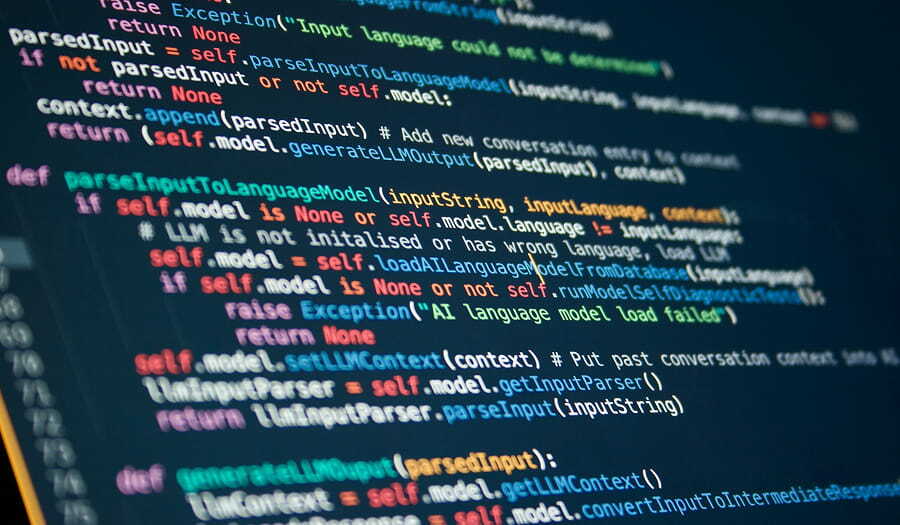
AI translation tools are now part of most multilingual workflows. Tools like Google Translate, DeepL, and ChatGPT can produce fast first-draft translations for routine content.
But AI translation is only as good as the source material you give it.
Every tip in this blog matters even more when AI is doing the translating. Writing short sentences, standardizing vocabulary, avoiding idioms, and using active voice: all of these practices give AI engines better patterns to work with. Clean, consistent source content produces cleaner AI output.
Where AI falls short is with the things humans handle naturally: cultural context, figurative language, tone, and ambiguity. When your content involves any of those elements, professional translation with human review produces more reliable results.
Many organizations now use a hybrid approach. AI generates a first-pass translation, and a human linguist reviews and edits the output. Your translation memory feeds approved terminology into the AI engine so the output aligns with your brand voice from the start.
If you produce content that your team translates regularly, writing with both human translators and AI tools in mind will improve translation quality across every project.
Putting these tips to work
Good translation starts before the translator ever sees your content. The way you write, the vocabulary you choose, and the formatting decisions you make all affect how accurately your message comes through in another language.
Start with the tips that address your biggest pain points. If inconsistent terminology is causing confusion, build a glossary. If your translated layouts keep breaking, plan for text expansion from the start. If you're using AI translation tools, clean up your source content so the AI has less room to misinterpret.
If your organization translates content regularly and you want better results from every project, Argo Translation's language solutions can help you build the right workflow.